
Yoga Retreat Program with a Nature Trek
A Journey of Movement and Connection
Including a nature trek in your yoga retreat program is an excellent way to help participants connect with the beauty of the natural world while nurturing their physical and mental well-being. The fusion of trekking and yoga creates a well-rounded, holistic experience that combines physical activity with mindfulness, breath awareness, and profound relaxation.

How the Experience Goes:
-
Preparation and Intention Setting:
-
Before the trek, we help participants to prepare their bodies with gentle yoga sessions. This helps warm up muscles, stretch key areas such as the hamstrings, hips, and lower back, and set positive intentions for the trek ahead.
-
Mindfulness and breath awareness are introduced during the warm-up, setting the tone for the trek as a meditative journey rather than just physical exercise.
-
-
The Trek:
-
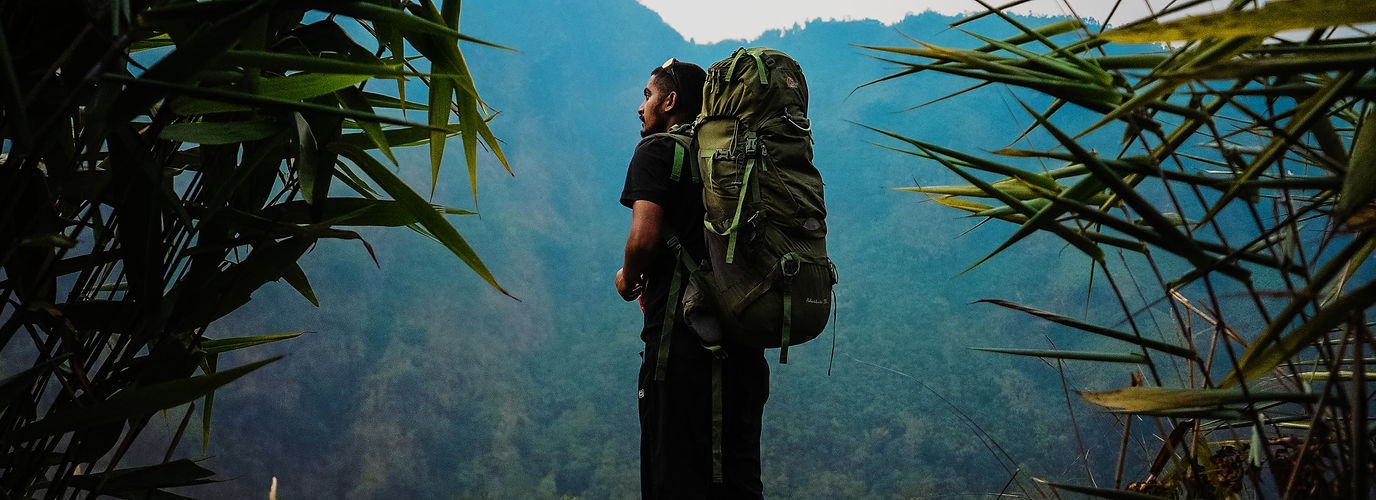
The trek takes participants through scenic trails, immersing them in nature's beauty—whether it's forests, mountains, lakes, or rivers. Along the way, moments of stillness are encouraged for mindful reflection and connection with the environment.
-
The pace is kept steady, allowing participants to feel comfortable and aware of their surroundings, and stops are made to deepen the connection with nature and engage in short breathing exercises or guided mindfulness practices.
-
-
Yoga Practice During the Trek:
-
Short breaks are used for specific yoga stretches and poses that focus on opening up tight areas, relieving tension, and improving flexibility. These might include standing stretches like mountain pose, tree pose, or forward bends to lengthen the spine and hips, which are commonly affected during trekking.
-
Focused breathing practices like pranayama are encouraged to help regulate energy and reduce fatigue, enhancing stamina and concentration during the trek.
-
-
Nature Connection:
-
Throughout the trek, the yoga teacher may encourage mindfulness of the senses—feeling the earth beneath your feet, listening to the sounds of nature, and observing the beauty around you. This presence in the moment can help participants feel grounded and deeply connected to the environment.
-
-
Post-Trek Yoga:
-
After completing the trek, participants can return to the retreat space for a restorative yoga session to cool down, stretch any fatigued muscles, and relax. Focused poses can be used to open up the hips, shoulders, and legs, which may have become tight from walking. This helps to release any residual tension and bring the body back to a state of calm balance.
-
How Yoga Practice Helps in Trekking:
-
Improved Flexibility:
-
Yoga enhances overall flexibility, especially in the hips, calves, and hamstrings, which are essential for trekking. Flexible muscles and joints improve mobility and reduce the risk of injury during the trek.
-
-
Increased Strength and Endurance:
-
Certain yoga poses build core, leg, and upper body strength, which are crucial for maintaining stability and endurance while trekking, especially on uneven terrain or uphill.
-
-
Breath Control and Stamina:
-
Yoga teaches mindful breathing techniques (like Ujjayi breath) that help regulate energy expenditure. Proper breath control enables trekkers to maintain stamina, focus, and reduce feelings of fatigue during the hike.
-
-
Posture and Alignment:
-
Practicing yoga encourages better posture and body alignment, which helps trekkers maintain an upright, balanced stance throughout the hike. Proper posture reduces strain on the back and joints, minimizing discomfort and fatigue.
-
-
Mental Focus and Calmness:
-
Yoga fosters mindfulness and mental clarity, helping participants stay present during the trek. This mindfulness promotes a deeper appreciation of nature and enhances the experience of the hike, allowing trekkers to remain calm and focused, even in challenging sections of the trek.
-
-
Stress Reduction:
-
The calming effect of yoga helps participants stay relaxed and less stressed during the trek, especially when navigating difficult terrain or dealing with fatigue. Yoga also helps in overcoming any mental blocks or anxieties that might arise during the physical challenge of the trek.
-
-
Recovery and Flexibility:
-
Yoga after the trek aids in recovery, releasing any accumulated tension from the muscles, and helps to prevent stiffness the following day.
-
Benefits of Integrating Yoga and Trekking:
-
Holistic Fitness: Combining physical endurance with mental clarity leads to improved physical and emotional well-being.
-
Connection to Nature: Being in nature fosters a sense of tranquility, grounding, and emotional renewal, while yoga helps participants tune into their internal energy and the environment around them.
-
Increased Awareness: Practicing mindfulness in both movement and stillness during the trek creates a deeper connection to oneself and nature.
-
Community Bonding: A group trek followed by group yoga fosters a sense of shared experience, community, and mutual support among participants.
The synergy of yoga and trekking provides an enriching, multifaceted experience that nurtures physical health, mental clarity, and emotional balance. This integration of movement, breath, and nature makes it a unique offering that deeply enhances the yoga retreat experience.