
The Harmony of Live Classical Music with Yoga Asanas: A Symphony of Wellness
Yoga is the art of uniting body, mind, and soul, and live classical music acts as the perfect companion to this ancient practice. Instruments like the violin, sitar, and sarangi are inherently meditative, producing soothing vibrations that align seamlessly with the rhythmic flow of yoga asanas. This fusion of music and movement creates an environment of tranquility and profound mindfulness.

Benefits of Live Classical Music During Yoga Asanas
-
Enhances Concentration
The melodic tunes of the violin, sitar, and sarangi guide practitioners to focus inward, making it easier to stay present and centered during yoga sessions. The music becomes an anchor for the wandering mind, fostering deeper awareness. -
Synchronizes Movement and Breath
The continuous and flowing notes from these instruments naturally encourage practitioners to match their breath and movements to the rhythm, promoting seamless transitions between asanas and enhancing the meditative aspect of yoga. -
Induces Relaxation
The serene tones of the sarangi, the soothing vibrations of the sitar, and the expressive melodies of the violin help release tension in both body and mind. This combination reduces stress and anxiety, creating a perfect setting for mindfulness. -
Deepens Emotional Connection
Classical music has a unique ability to evoke emotions. While practicing yoga, it creates a space for emotional release and healing, enriching the practitioner's experience and fostering inner peace. -
Elevates Energy Levels
The resonance of live music stimulates positive energy flow within the body. Instruments like the sitar and violin produce sounds that align with the body's chakras, balancing energies and invigorating the spirit.
6.Enhances Group Synergy
For group yoga sessions, live music creates a shared rhythm that synchronises the collective energy, amplifying the sense of connection and unity among the participants.
The Transformative Role of Musical Instruments in Yoga Practice
.webp)
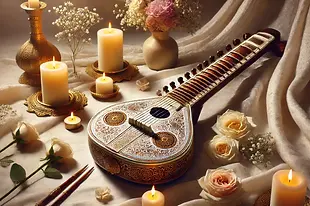
Sitar: The Instrument of Divine Resonance
The sitar is a stringed instrument renowned for its hypnotic and transcendent sound. It is one of the most iconic instruments of Indian classical music.
-
Origin: With roots in ancient Indian music, the sitar became globally recognized through maestros like Ravi Shankar.
-
Structure: It has a long neck, movable frets, and sympathetic strings that vibrate in harmony with the main strings, creating a rich tapestry of sound.
-
Sound: Its ethereal and meditative tones are deeply calming and uplifting.
-
Yoga Connection:
-
Ideal for meditation and restorative yoga practices, the sitar’s slow, rhythmic patterns align with deep breathing and introspection.
-
Its vibrations synchronize with the Ajna (third-eye) and Sahasrara (crown) chakras, facilitating spiritual growth.
-
Benefits: The sitar’s soothing tunes calm the nervous system and inspire a sense of oneness with the universe.
-

Violin: The Voice of the Soul
The violin is often regarded as the instrument closest to the human voice. Its ability to produce a wide range of tones and emotions makes it incredibly versatile and expressive.
-
Origin: The violin originated in Europe during the Renaissance period and later found a prominent place in Indian classical music, particularly in Carnatic traditions.
-
Sound: Its sweet, melodious, and fluid tones create an atmosphere of peace and introspection.
-
Yoga Connection:
-
The violin’s smooth legato strokes complement slow and mindful yoga flows like Hatha Yoga.
-
It guides the practitioner to move with grace, mimicking the fluidity of its notes.
-
-
Benefits: Its sound resonates with the heart chakra, fostering emotional healing and empathy.

Sarangi: The Emotive Storyteller
The sarangi, often referred to as the "instrument of a hundred colors," is a bowed string instrument known for its ability to replicate the nuances of the human voice.
-
Origin: The sarangi is deeply rooted in Indian classical music and has been a vital part of traditional compositions for centuries.
-
Structure: Made from a single block of wood, it has three main gut strings and many sympathetic strings, which amplify its depth and resonance.
-
Sound: Its rich, haunting tones evoke deep emotions, creating an atmosphere of introspection and healing.
-
Yoga Connection:
-
Its soulful melodies are perfect for Yin Yoga or Meditation, where stillness and surrender are emphasized.
-
The sarangi connects with the Anahata (heart) chakra, encouraging emotional release and inner peace.
-
Benefits: It promotes emotional healing, helping practitioners tap into suppressed feelings and release them constructively.
-
In conclusion, the fusion of yoga and live classical music creates a harmonious and transformative experience that nurtures the body, mind, and spirit. The soothing melodies of the violin, sitar, and sarangi not only elevate the practice of yoga but also deepen mindfulness, enhance emotional healing, and promote a profound connection with the present moment. As each note resonates through the air, it guides the practitioner into a state of flow, allowing for greater concentration, relaxation, and spiritual growth.
Together, these ancient art forms offer a sanctuary of peace, fostering balance and well-being in every aspect of life. This powerful synergy invites us to experience yoga in its truest form—unified, harmonious, and deeply transformative.
Want to experience this transformative journey for yourself?
Leave us a message and we'll get back to you.

.webp)